Design of ventilation systems
Termal designs ventilation systems for various types of buildings: apartments and private houses, restaurants and cafes, cinemas, sports complexes, shopping centers, educational and medical institutions, office buildings, car dealerships and service stations, industrial enterprises and warehouses.
What is a ventilation project for?
The ventilation project will allow:
- get an accurate calculation of all elements for the efficient operation of the system in the future; compare and connect adjacent systems (air conditioning, heating, etc.)
- Coordinate the work of other construction structures (builders, designers, electricians, firefighters, plumbers, etc.) in advance.
- calculate all costs, optimize them, and make an estimate
- combine the customer’s desire and the engineer’s technical solution into one whole
- in the future will simplify general construction repair work, without surprises and without guessing about existing routes
The installation of the ventilation system begins along with finishing and repair work, so you need to prepare the project in advance. The quality and operation of the system largely depends on the correct calculation and selection of equipment and components.
Realized projects
-
Warehouses, Office centers
HVAC system of the office and warehouse complex of Suzirya LLC

-
Gas stations
HVAC system of the KLO filling stations network

-
Warehouses, Office centers
HVAC system of the office and warehouse complex of LLC “STS-Co”

-
Warehouses, Shopping centers and stores
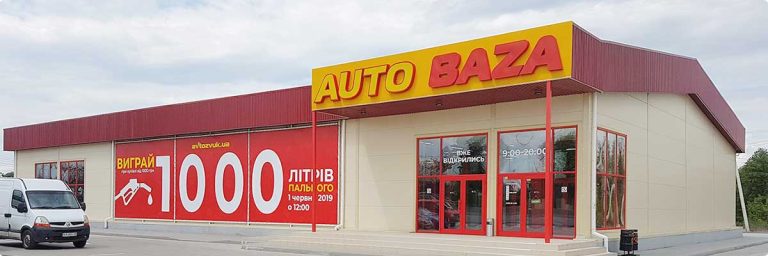
HVAC system for Auto Baza warehouse store of automotive parts and accessories
-
Factories and plants
HVAC system at the Unilever factory

-
Factories and plants
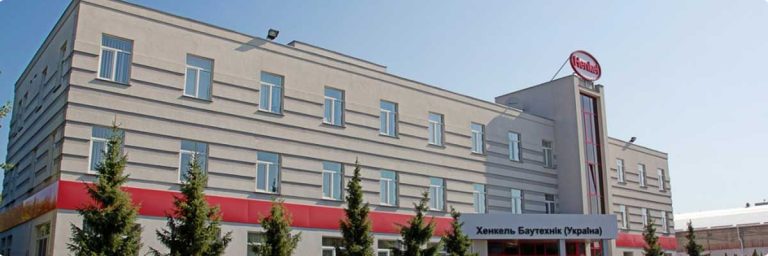
Heating and ventilation system of the Henkel plant
-
Factories and plants
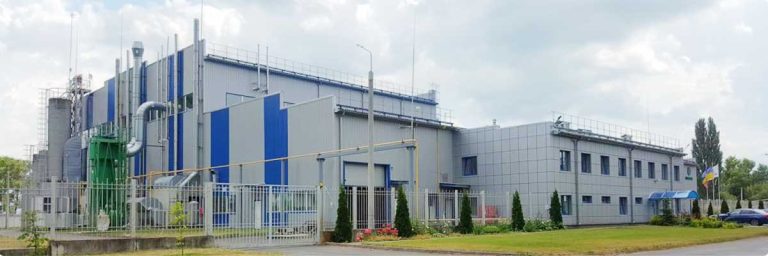
Heating and ventilation system of the SES VanderHave plant
-
Factories and plants
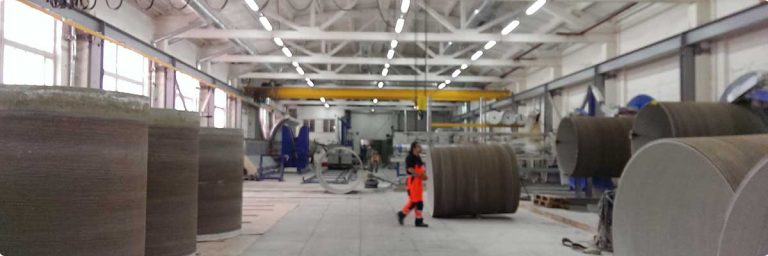
HVAC system of the Ukar-Pipe plant
-
Factories and plants
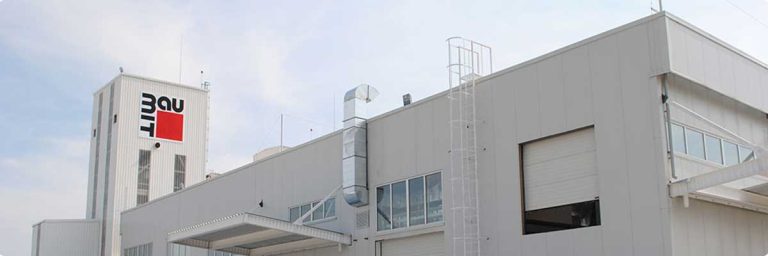
Ventilation and heating system of the Baumit plant
-
Restaurants and cafes
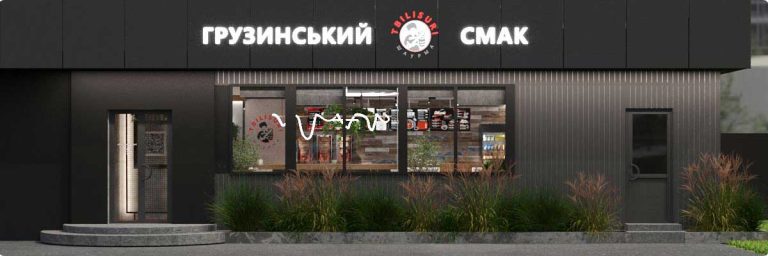
HVAC system of the Tbilisuri restaurant
Our clients





















Design stages
1. Before starting the design
The ventilation system design is carried out in stages. After agreeing on all engineering solutions and signing the contract, our specialist begins to develop project documentation. To do this, the Customer provides architectural plans (or a design project), with dimensions and heights, data on the number of people and equipment. Before designing, it is important for our engineer to see the object in person for a general understanding of the tasks.
2. At the design stage
After making several calculations, based on the volume of the room, the number of people and the presence of harmful conditions, the designer chooses the largest of the required air exchanges. In his work, he is guided by sanitary and building codes.
A scheme is developed with the branching of all air ducts. An aerodynamic calculation is performed to determine the air duct cross-sections and pressure losses. Separately, an acoustic calculation is performed to ensure that the noise level is within the permissible standards.
3. Selection of equipment with components
Clean air is important not only for a comfortable stay indoors, but also for health.
The main functions of the ventilation system include:
- fresh air supply and exhaust air extraction
- cleaning from dust or protection from bacteria (depending on the standards in the room) with filters
- Preventing the appearance of mold and fungi
- maintaining the air temperature in the room
There are two types of ventilation: natural ventilation; mechanical or forced ventilation. Let’s analyze them separately.
Natural ventilation
Natural ventilation involves the flow of air from the street into the room and vice versa, due to pressure and temperature differences and without the use of fans. Simply put, natural ventilation is ventilation by opening windows or exhaust shafts in the bathrooms of residential buildings.
Natural ventilation has limitations. Its use in large rooms (assembly and trading halls, etc.) and in rooms where equipment emits a lot of harmful emissions (restaurant kitchens, industrial workshops, etc.) is almost impossible. Since air exchange is affected by temperature differences, this type of ventilation works better in winter.
Previously, natural ventilation was often used in residential buildings. Now it is hindered by the installation of plastic windows. After all, in order for dirty air to leave through the exhaust shaft, it must first enter the room through openings and leaks in windows and doors.
The main advantages of natural ventilation:
- efficiency
- low costs for the organization of air exchange
- ease of use
Disadvantages of natural ventilation
- impossibility of adjustment
- discomfort due to cold air flow
- lack of air filtration
- use only in small rooms
- unstable air exchange
Mechanical ventilation
Mechanical ventilation is carried out with the help of ventilation devices and is able to provide comfortable conditions in the room.
Advantages of mechanical ventilation:
- full automation, the ability to select the operating mode and temperature
- control of air volume and electricity consumption
- independent of weather conditions, prepares the air to the set temperature
- availability of different types of filters
- a wide variety of ventilation devices for a particular object
Disadvantages of mechanical ventilation:
- higher cost, especially compared to natural ventilation
- the need for regular maintenance, cleaning of individual components (cleaning filters, etc.)
4. Coordination of drawings with the customer, designers and builders
Based on the initial data, a drawing is drawn with the placement of equipment and air ducts, valves and grilles. This project is coordinated with the Customer, designer and builders whose communications may be affected by the ventilation system.
After approving and making possible changes to the drawing, the sections of the components and axonometric diagrams are finalized. The project is accompanied by a task for holes and tasks for electricians.
5. Preparation of equipment and material specifications
At the final stage, a full specification of equipment and materials is drawn up. After the project is issued, the estimate is recalculated and the final amount is submitted.
As a result, the Customer receives a set of documents:
- technical characteristics of the equipment
- plans with the location of equipment and air ducts
- plans with sections and axonometric diagrams
- Plans with bindings of ceiling grids and lamps (if appropriate plans were provided)
- tasks for other building structures
- equipment and material specifications
Cost of the ventilation system project
The cost of a ventilation project depends on three parameters:
- type of premises and its volume
- time required for design
- the difficulty of implementing some technical solutions
Answers to frequently asked questions