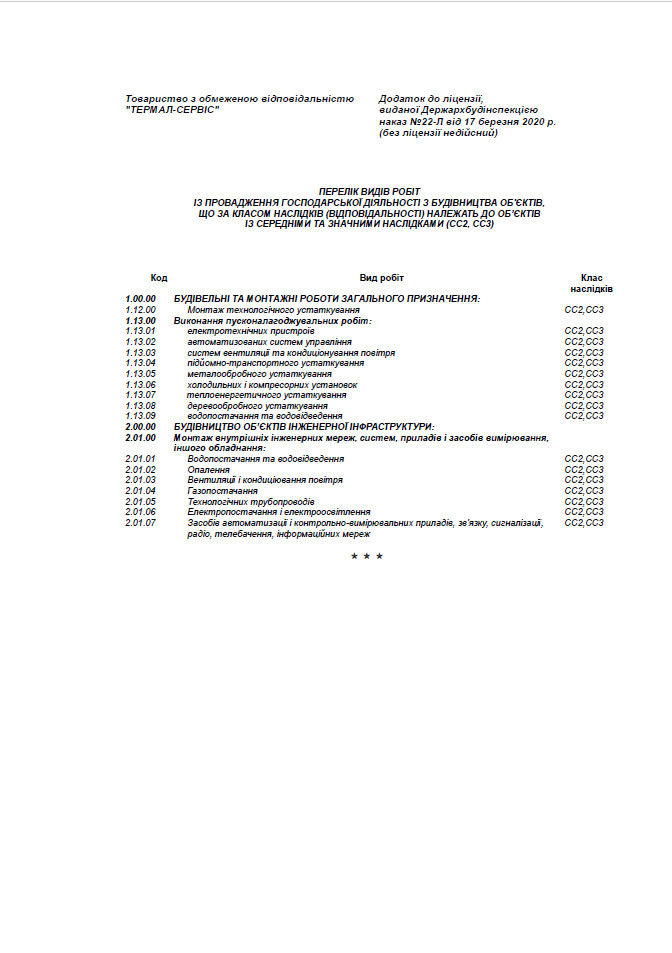

Design of air conditioning systems
The main function of air conditioning is to maintain climatic conditions for human comfort: heating the air in cold and transitional seasons and cooling it in warm seasons. In some industries, a stable temperature is especially important for the preservation of raw materials.
What is an air conditioning project for?
In order for the system to work properly and for a long time in the future, not only competent installation is necessary, but also a project. It, in turn, allows you to calculate in advance the power of the necessary equipment, select the type and design of the air conditioner based on the characteristics of the interior and choose the installation location at which you can achieve the best performance.
Realized projects
-
Warehouses, Office centers
HVAC system of the office and warehouse complex of Suzirya LLC

-
Gas stations
HVAC system of the KLO filling stations network

-
Warehouses, Office centers
HVAC system of the office and warehouse complex of LLC “STS-Co”

-
Warehouses, Shopping centers and stores
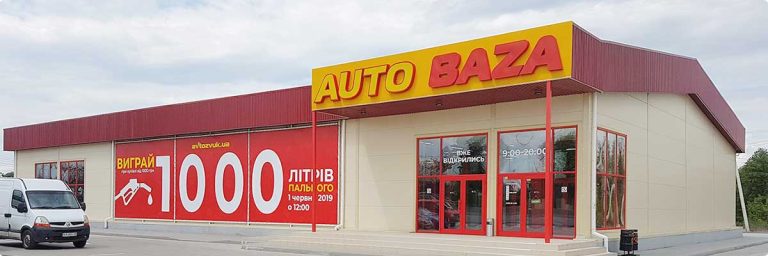
HVAC system for Auto Baza warehouse store of automotive parts and accessories
-
Factories and plants
HVAC system at the Unilever factory

-
Factories and plants
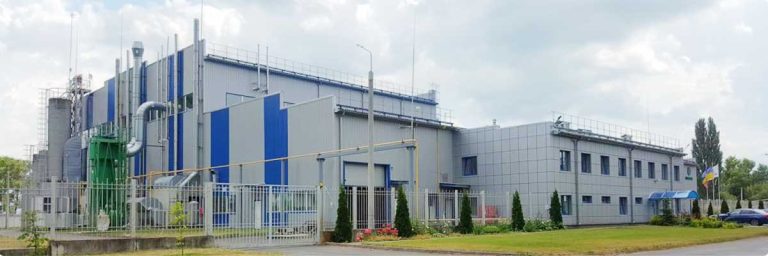
Heating and ventilation system of the Henkel plant

-
Factories and plants
Heating and ventilation system of the SES VanderHave plant
-
Factories and plants
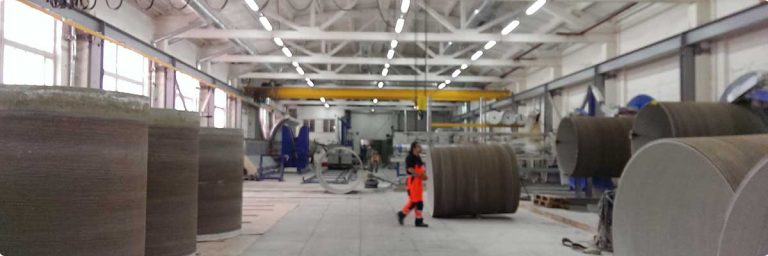
HVAC system of the Ukar-Pipe plant
-
Factories and plants
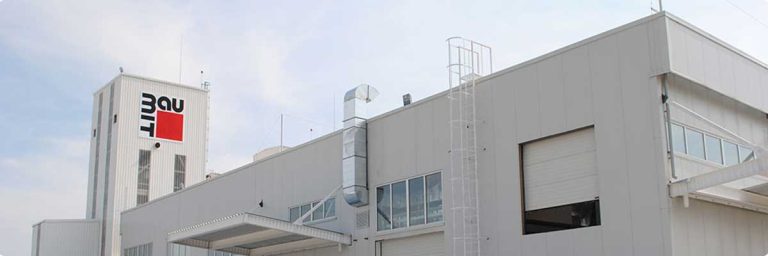
Ventilation and heating system of the Baumit plant
-
Restaurants and cafes
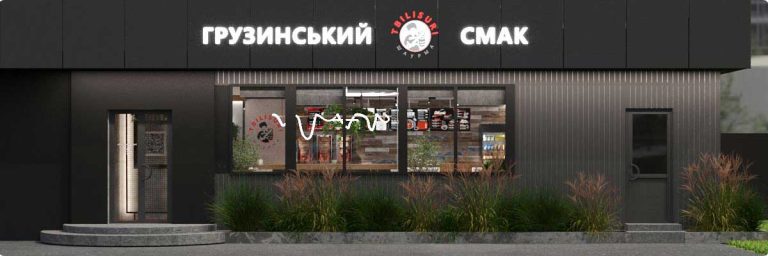
HVAC system of the Tbilisuri restaurant
Our clients





















Design stages
1. Before starting the design
Prior to the start of the design, the Customer provides architectural plans (and/or a design project) with dimensions and heights, data on the number of people and equipment.
2. At the design stage
At the design stage, the first step is to calculate the heat gain of the room, namely, from people, the sun, lighting, and equipment. The required temperature and humidity parameters are taken into account, depending on the purpose of the facility, the constant presence of people, and the type of equipment used. After that, the type of air conditioner is selected.
3. Selecting the type of air conditioning system
Air conditioners are divided into three categories: household, semi-industrial, and industrial.
- Household air conditioners are mainly represented by split systems (one indoor unit is connected to one outdoor unit) of wall and floor-ceiling type, with a capacity of up to 5-6 kW.
- The line of semi-industrial air conditioners includes a more efficient split or multi-split system, where several indoor units are connected to one outdoor unit. A wider selection of units is offered in terms of appearance: in addition to wall-mounted and floor-ceiling units, cassette, ducted and column type. The power range varies from 5 kW to 25 kW.
- The industrial segment consists of more serious capacities. This includes VRF systems, when up to 60 or more indoor units are connected to one unit; compressor-condenser units that work only for cold; chillers; and central air conditioners combined with ventilation.
Household and semi-industrial air conditioners are more commonly used in residential premises (apartments, private houses) and small commercial facilities (shops, etc.). Industrial air conditioners are designed to maintain the microclimate of commercial, government and industrial buildings.
In turn, air conditioners are divided into the following types:
- Wall-mounted. The units are mounted on the wall, have the widest range of designs, and are easy to install. The disadvantages are noise and direct airflow, which is why you should not install the unit directly above the workplace. They are controlled by a remote control.
- Floor and ceiling mounted. They are installed both on the floor and on the ceiling. Of all the units, they are the least used.
- Cassette. The units are mounted in the ceiling and are designed for higher rooms (4 m and above), covering a larger area than wall and floor-ceiling units.
- Ducted. The quietest of all units, but also the most difficult to install and expensive, requiring additional components (air ducts, diffusers, etc.). The only one of all types designed for flush mounting (optional), which is both a plus and a minus, because there is not always a place to install it.
After the final choice of the type of system is made, the installation location of the units is agreed upon based on the interior of the room. Air conditioners are most often placed closer to the source of heat, for example, near a window. It is imperative to take into account where people will be located. A direct stream of cold air should not be allowed to constantly hit a person. This can affect health and well-being.
4. Coordination of drawings with the customer, designers and builders
When the arrangement of the equipment has been determined, the development of layouts begins, where, in addition to air conditioners, routes and the placement of remote controls are indicated. With more complex systems (VRF systems, chiller-fan coil), a three-dimensional selection scheme is added to the project.
Tasks are prepared for electricians with the characteristics of the equipment for the correct calculation of power cables. A task for plumbers is added, indicating drainage connections for condensate drainage from the units.
The drawings are agreed with the Customer, designer and builders whose communications may be affected by the air conditioning system. The mounting of outdoor units is agreed with the builders.
5. Preparation of equipment and material specifications
At the final stage, the specification of equipment and materials is drawn up and the final amount is calculated.
As a result, the Client receives the following documents:
- descriptive part (note)
- table with equipment characteristics (electricity, electrical parameters, dimensions, etc.)
- plans with the placement of indoor and outdoor units
- plans with pipeline placement
- plans with the placement of consoles
- three-dimensional diagram with selection
- tasks for electricians
- tasks for plumbers
- equipment specification
- certificates for equipment
Cost of the air conditioning system project
The cost of an air conditioning system project depends on the size of the premises and the type of system chosen, which also affects the development time and complexity of the project itself. There is a big difference between installing a few split systems and a complex VRF system with a dozen installed indoor units. In the latter case, installation without a project is simply impossible. And without proper selection of routes, the system will not work.
Answers to frequently asked questions