
What is a heating project for?
The heating design, as in any other system, affects the quality and speed of installation work for the better, and avoids unnecessary costs.
Each project has its own characteristics and is considered separately, regardless of existing templates. After all, each case is unique, and there are several possible options for installing a heating system for any object. Even for the same type of building, for example, a private house, the methods of solving the problem can vary greatly. This is influenced by many factors. First of all, the possible heat source is considered, which depends on the power source, the availability of the installation site, restrictions on the use of individual heat sources, and more.
Realized projects
-
Warehouses, Office centers
HVAC system of the office and warehouse complex of Suzirya LLC

-
Gas stations
HVAC system of the KLO filling stations network

-
Warehouses, Office centers
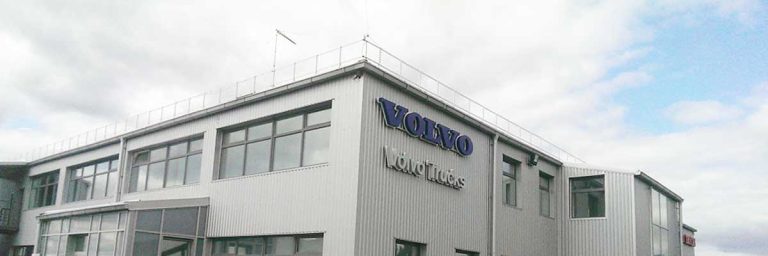
HVAC system of the office and warehouse complex of LLC “STS-Co”

-
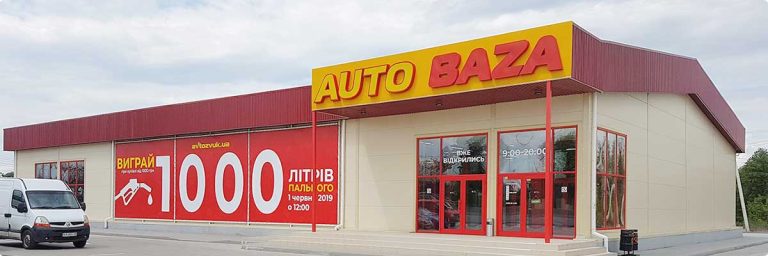
Warehouses, Shopping centers and stores
HVAC system for Auto Baza warehouse store of automotive parts and accessories
-
Factories and plants
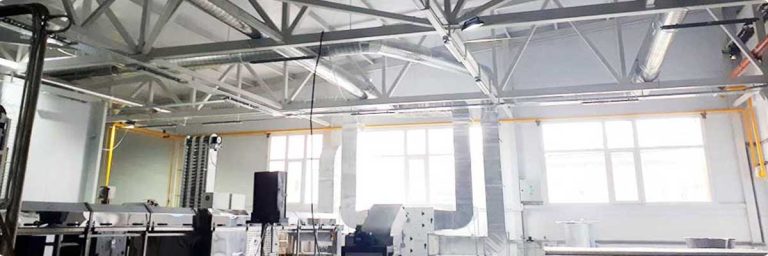
HVAC system at the Unilever factory

-
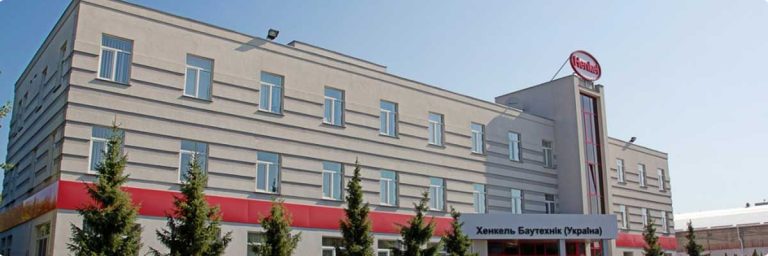
Factories and plants
Heating and ventilation system of the Henkel plant
-
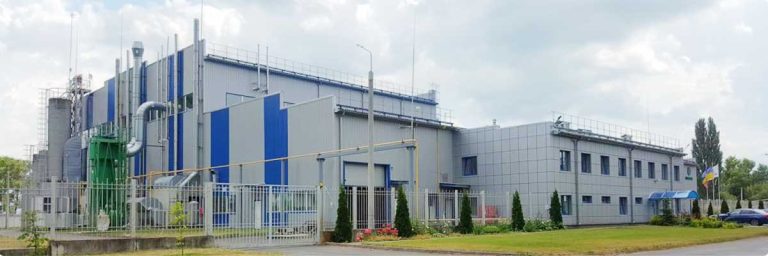
Factories and plants
Heating and ventilation system of the SES VanderHave plant
-
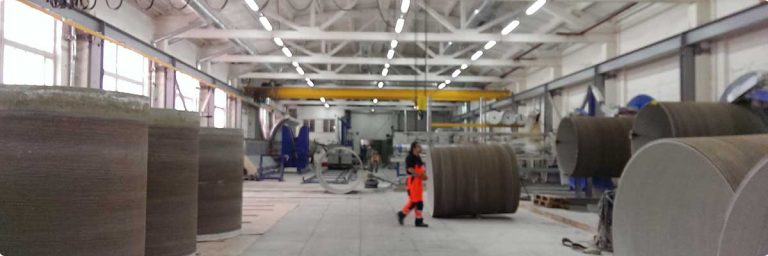
Factories and plants
HVAC system of the Ukar-Pipe plant
-
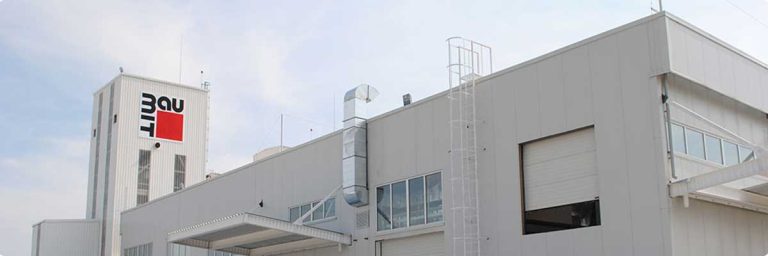
Factories and plants
Ventilation and heating system of the Baumit plant
-
Restaurants and cafes
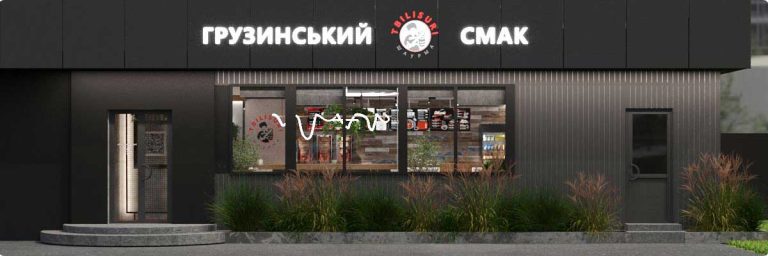
HVAC system of the Tbilisuri restaurant
Our clients





















Design stages
1. Before starting the design
Before starting the design, the type of heat source is selected based on the availability of available fuel, the client’s capabilities, installation conditions, the location of the equipment, possible prohibitions and restrictions (for example, the inability to conduct gas or insufficient electricity).
Before choosing the type of heating system, at the request of the customer, we can prepare a feasibility study for several types of equipment and calculate its payback.
2. Selection of equipment
First, it’s worth understanding what types of heating exist. First of all, there are central and individual heating systems.
For central heating, there is a single heat source (CHP, DH), from which an extensive pipeline system is laid to consumers. For example, it is often found in residential buildings. The only advantage of such a system is the relatively low cost of organizing heat in the premises. However, the need to wait for the heating season, high prices in utility bills, and restrictions on the amount of heat devalue central heating.
Individual heating includes all types of solutions that provide a system for only one user. It is found in both private homes and commercial and industrial buildings. The only drawback is the high cost of installing such a system, but it pays off very quickly.
Nowadays, central heating is increasingly fading into the background.
The heating system is mainly divided into two types: water and air.
- Water heating is the most popular. Water in the heat source (boiler, etc.) is heated and supplied through pipes to heating devices (radiators, underfloor heating, convectors). In turn, they give off heat to the room.
- With air heating, the room is heated using air heated to a certain temperature, which is distributed by a small fan built into the heating device (fan coils, air conditioners, fan heaters).
The system itself consists of several parts:
- A source of thermal energy. This includes equipment that heats the coolant. For example, boilers, depending on the power source, are distinguished between gas, solid fuel, and electric. Or heat pumps, which, depending on the heat source and type of heat carrier, are also divided into: air-to-air, air-water, water-water, water-to-air, soil-air, soil-water. The first three are the most common.
- Shut-off and control valves (valves, cranes, pumps) and a set of distribution pipelines
- Heating devices (radiators, fan coils, convectors, fan heaters, air conditioners)
- Automation
3. At the design stage
After the equipment, including heating devices, is approved, project development begins.
- First, the engineer performs a thermal engineering calculation of the building envelope based on architectural data (thickness and material of walls and coverings, size and type of windows and doors).
- Analyzing the data, all heat losses are calculated. The calculation of heat gain is added to them. As a result, the engineer receives the power of the equipment necessary for heating the premises. The models of the heat source and heating equipment are specified.
- The next step is the hydraulic calculation, where the dimensions of pipelines and valves are selected. And only after that, the engineer proceeds to the graphic part.
4. Coordination of drawings with the customer, designers and builders
Then all the drawings are coordinated with the customer and the designer. Axonometric diagrams, boiler room layout with all the piping are prepared. The task is given to electricians, plumbers and builders.
5. Drawing up a specification of equipment and materials
At the final stage, a specification for equipment and materials is drawn up. The final price is calculated.
As a result, the Customer receives the following documents:
- note
- a table with equipment characteristics (electricity, electrical parameters, dimensions, etc.)
- plans with the location of the power source and heating devices
- plans with the placement of pipelines and valves and fittings
- axonometric diagrams
- boiler room plan with sections
- the basic scheme of heating
- tasks for electricians
- tasks for plumbers
- equipment specification
Cost of the heating system project
The cost of a heating system project depends on the scope of work, the type of system chosen, and whether there is a need to design a boiler room.
Answers to frequently asked questions